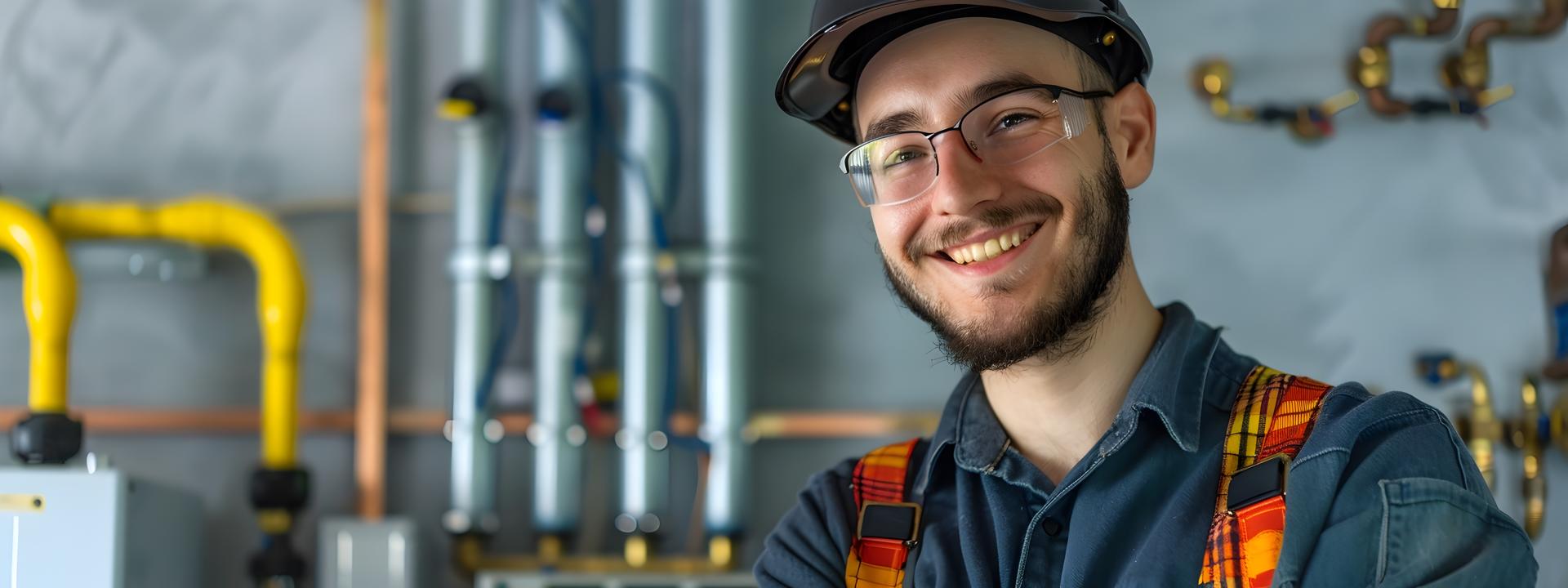
Don’t Get Left in the Cold: Reliable Heating for Your New Braunfels Home
When a Central Texas cold front moves through New Braunfels, the last thing any homeowner wants is a furnace that can’t keep up. An old, inefficient, or failing heating system isn’t just an inconvenience—it can lead to high energy bills, poor air quality, and even safety risks. If you’re constantly adjusting the thermostat or scheduling repairs, it might be time to consider a new furnace installation. This guide will help you understand the signs of a failing furnace and navigate the process of choosing the right heating solution for your home.
5 Telltale Signs Your Furnace Needs Replacing
1. Your Furnace is Over 15 Years Old
The average lifespan of a furnace is about 15-20 years. If yours is approaching or has surpassed this age, it’s likely operating far less efficiently than modern units. Investing in a new system now can prevent an unexpected and costly breakdown during a winter cold snap.
2. Rising Energy Bills
Are your heating bills climbing higher each year without a change in your usage? As furnaces age, they lose efficiency and must work harder to heat your home, consuming more fuel in the process. A new, high-efficiency furnace can significantly lower your monthly energy costs.
3. Frequent and Costly Repairs
If you find yourself calling for repairs every winter, those costs can add up quickly. When the cost of a repair is 50% or more of the cost of a new furnace, replacement is almost always the more sensible long-term financial decision.
4. Strange Noises or Smells
Furnaces should operate relatively quietly. Loud banging, popping, rattling, or squealing noises can indicate serious mechanical problems, such as a failing motor or a cracked heat exchanger. These issues demand immediate attention for safety reasons.
5. Uneven Heating & Poor Air Quality
If some rooms in your home are warm while others remain cold, your furnace may no longer be able to distribute air effectively. An aging system can also struggle to filter the air, leading to more dust, allergens, and dry air throughout your home. Clogged filters are a common culprit, so be sure to schedule a professional HVAC filter change regularly to maintain airflow.
The Benefits of a Modern Furnace Installation
Improved Energy Efficiency
Modern furnaces are significantly more efficient than models from 10-15 years ago. A new high-efficiency unit can lower your heating bills by up to 30%, providing a substantial return on your investment over its lifespan.
Enhanced Home Comfort
Newer systems provide consistent, even heat throughout your entire home. Advanced features like variable-speed blowers and two-stage heating eliminate cold spots and maintain a more stable indoor temperature for an unmatched level of comfort.
Better Indoor Air Quality
Today’s furnaces are designed to work with advanced air filtration and humidification systems. This helps remove dust, pollen, and other airborne contaminants, creating a healthier living environment for your family. A clean system starts with a well-maintained core, like the one serviced during a residential air handler unit cleaning.
Increased Safety and Peace of Mind
An old furnace with a cracked heat exchanger can leak carbon monoxide, a colorless, odorless gas that is extremely dangerous. A new furnace installation provides peace of mind, knowing your system is equipped with modern safety features and is operating correctly. This security is why regular residential preventative maintenance is so important.
Old Furnace vs. New High-Efficiency Furnace
| Feature | Typical Old Furnace (15+ Years) | New High-Efficiency Furnace |
|---|---|---|
| AFUE Rating | 60% – 80% | 90% – 98.5% |
| Fuel Waste | 20-40 cents per dollar | Less than 10 cents per dollar |
| Reliability | Prone to breakdowns | Dependable with manufacturer warranty |
| Air Quality | Basic filtration, potential for poor circulation | Advanced filtration, better humidity control |
Did You Know?
The U.S. Department of Energy estimates that homeowners can save up to 40% on heating costs by replacing an old, low-efficiency furnace with a new ENERGY STAR® certified model. For a typical New Braunfels home, these savings can add up to hundreds of dollars each year.
Why Professional Furnace Installation Matters in New Braunfels
Installing a new furnace is not a DIY project. It involves working with gas lines, high-voltage electricity, and complex venting systems that require certified expertise. A professional furnace installation in New Braunfels ensures your system is correctly sized for your home, installed according to local codes, and operates safely and efficiently. At American Patriot Restaurant Services, our veteran-owned team brings precision and integrity to every job, ensuring your new furnace is set up for optimal performance and longevity, protecting both your investment and your family’s comfort.
Ready for a Warm and Efficient Winter?
Stop worrying about your old furnace. Contact American Patriot Restaurant Services for an honest assessment and a transparent quote on a new furnace installation. We’re here to keep your New Braunfels home comfortable all winter long.
Frequently Asked Questions
How long does a new furnace installation take?
A standard furnace replacement typically takes 4 to 8 hours. Our certified technicians work efficiently to minimize disruption to your home and ensure your new system is running perfectly before we leave.
What does AFUE mean?
AFUE stands for Annual Fuel Utilization Efficiency. It’s a percentage that measures how efficiently a furnace converts fuel into heat. An AFUE of 95% means that 95% of the fuel is used to heat your home, while the other 5% is lost through exhaust.
Can I install a furnace myself?
We strongly advise against it. Improper installation can lead to dangerous gas leaks, carbon monoxide exposure, electrical hazards, and inefficient operation. Professional installation is required to validate the manufacturer’s warranty and meet local safety codes.
How often should I have my new furnace serviced?
To keep your new furnace running efficiently and to maintain its warranty, we recommend professional maintenance at least once a year, typically in the fall before the heating season begins.
Key Heating Terms
AFUE (Annual Fuel Utilization Efficiency): The standard measurement of a furnace’s combustion efficiency over a typical year.
HVAC: An acronym for Heating, Ventilation, and Air Conditioning—the systems that control your home’s indoor climate.
Heat Exchanger: The component inside your furnace that heats the air. A crack in the heat exchanger can lead to dangerous carbon monoxide leaks.
Blower Motor: The part of the furnace responsible for pushing the heated air through your home’s ductwork and into your living spaces.