
As temperatures drop, the quality of the air inside your home becomes more important than ever.
As we seal our windows and doors to keep the Central Texas chill at bay, we also trap a host of indoor air pollutants. Americans spend, on average, about 90% of their time indoors, where pollutant concentrations can be two to five times higher than outside. For homeowners in New Braunfels, Texas, understanding and improving indoor air quality (IAQ) is crucial for a healthy and comfortable winter season. Poor IAQ can aggravate allergies, affect respiratory health, and even impact your HVAC system’s efficiency.
What’s Lurking in Your Home’s Air This Winter?
With reduced ventilation, common household contaminants build up. Recognizing these pollutants is the first step toward clearing the air.
Biological Contaminants
This category includes dust mites, pet dander, mold, and mildew. Tightly sealed homes can trap moisture, creating ideal breeding grounds for mold and mildew, especially in bathrooms and kitchens. Dust mites and pet dander also become more concentrated without fresh air circulation.
Combustion Pollutants
Sources like gas stoves, fireplaces, and furnaces can release gases like carbon monoxide (CO) and nitrogen dioxide (NO2) if not properly maintained and ventilated. These can be dangerous even at low levels, making regular equipment checks essential.
Volatile Organic Compounds (VOCs)
VOCs are gases emitted from various household products, including cleaning supplies, air fresheners, paints, and even new furniture. In a closed-up home, these chemicals linger and can cause headaches, dizziness, and irritation to the eyes, nose, and throat.
Excess Dust and Particulates
An unusual amount of dust is a clear sign of poor air quality. This dust often contains a mix of allergens like pollen, skin cells, and microscopic debris that your HVAC system should be filtering out. If it’s accumulating quickly, your system may need attention.
Practical Steps for Better Indoor Air Quality
Improving your home’s air doesn’t have to be complicated. A combination of simple habits and professional maintenance can make a significant difference. Here’s how you can take control of your IAQ.
1. The Crucial Role of HVAC Filter Changes
Your HVAC filter is the first line of defense against airborne particles. A clogged filter can’t effectively trap dust, dander, and pollen, allowing them to circulate freely throughout your home. In Central Texas, where allergens can be a year-round issue, changing your filter regularly is vital. For most homes, a change every 60-90 days is sufficient, but homes with pets or allergy sufferers may benefit from more frequent changes. A professional HVAC filter change service ensures you have the right type and size of filter for maximum efficiency.
2. Deep Cleaning Your HVAC System
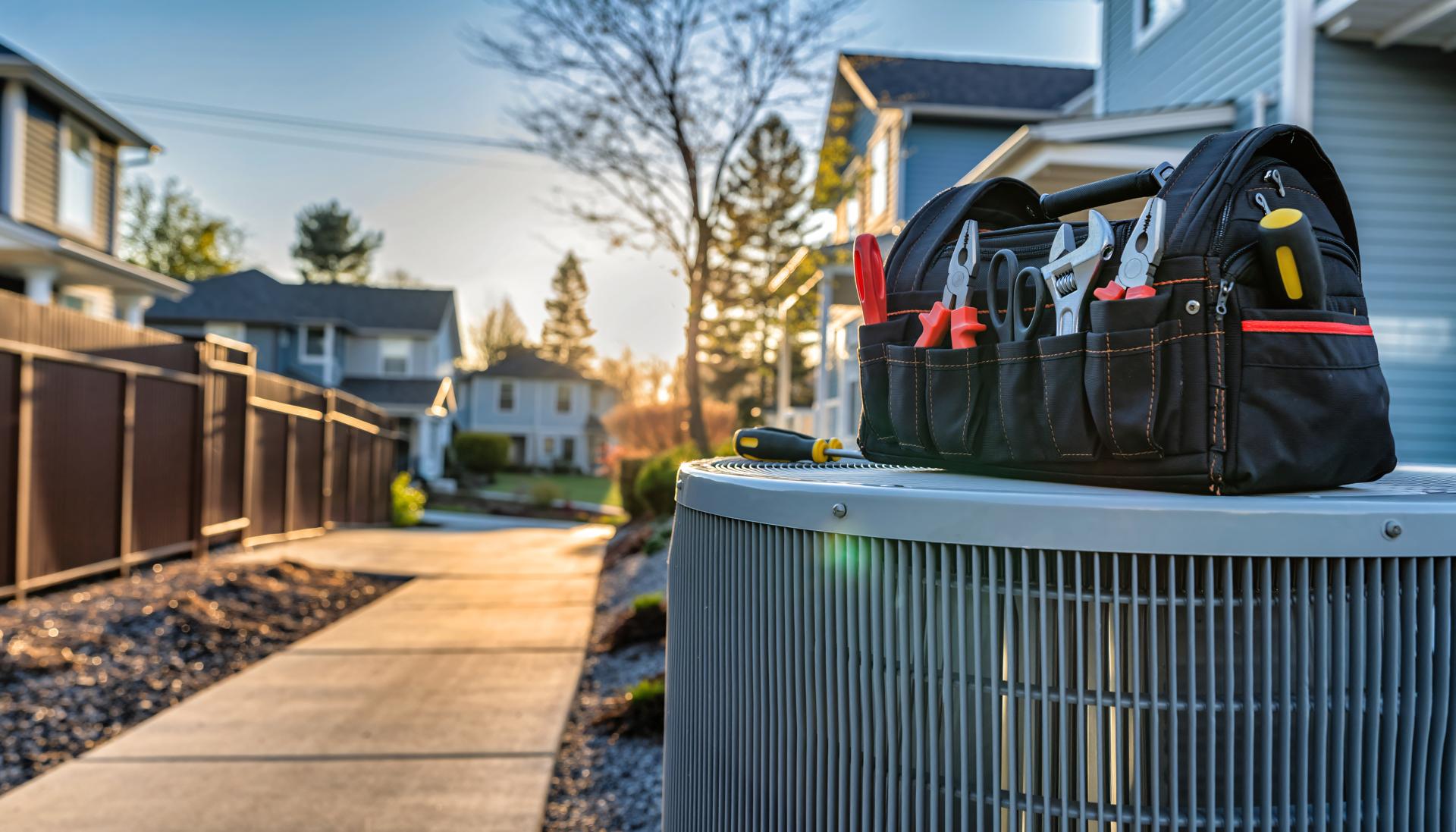
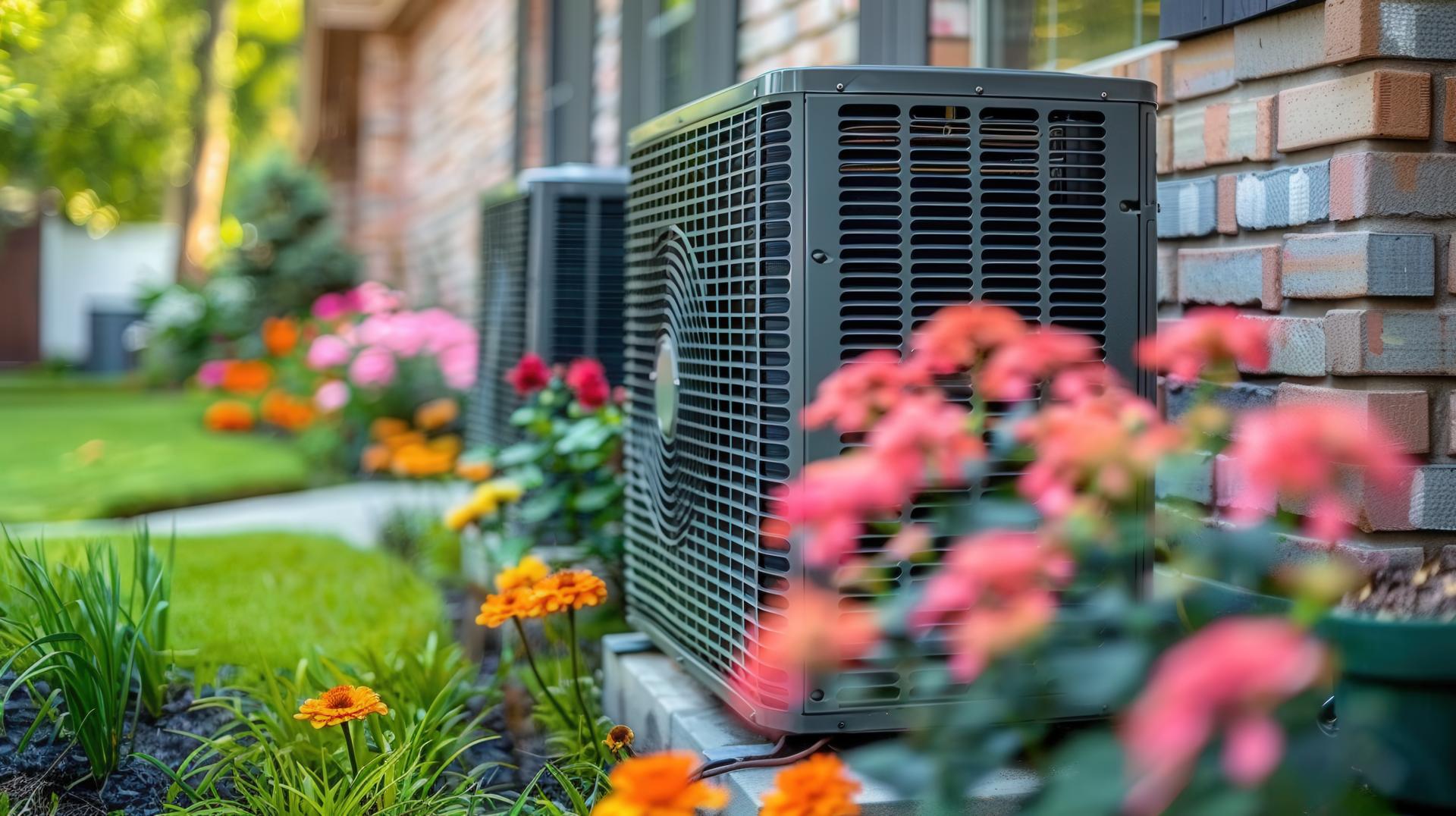
Filters can’t catch everything. Over time, dust and biological growth can accumulate inside your system’s core components. The air handler unit, located inside your home, is responsible for circulating air. If its blower wheel and coils are dirty, it’s blowing contaminants directly into your living space. Similarly, a dirty outside condenser unit struggles to cool your home efficiently, putting a strain on the entire system. Professional air handler and condenser cleaning removes this buildup, improving both air quality and system performance.
3. Increase Ventilation Strategically
Even on cold days, a little fresh air goes a long way. Open windows for just 5-10 minutes a day to help flush out stale, polluted indoor air. Use exhaust fans in your kitchen when cooking and in your bathroom during showers to remove moisture and contaminants at the source. This simple practice prevents the buildup that leads to bigger problems like mold.
4. Schedule Comprehensive Preventative Maintenance
The most effective way to ensure great air quality and avoid unexpected breakdowns is through routine maintenance. A residential preventative maintenance plan includes thorough cleaning, inspection, and performance checks of your entire HVAC system. A technician can spot potential issues, clean critical components, and ensure your system is running safely and efficiently all winter long.
Did You Know? Quick Facts About IAQ
- Fact 1: Indoor humidity levels should ideally be kept between 30% and 50% to prevent mold growth.
- Fact 2: A vacuum cleaner with a HEPA filter can capture fine particles and allergens, significantly improving air quality.
- Fact 3: Certain houseplants, like snake plants and spider plants, are known to naturally filter some pollutants from the air.
- Fact 4: The infamous “cedar fever” in Central Texas is a major source of winter allergens that can easily be trapped inside your home.
A Local Focus for New Braunfels Residents
Living in New Braunfels and the surrounding Central Texas area presents unique air quality challenges. Our mild winters mean certain allergens, like Mountain Cedar pollen, peak when the rest of the country is dormant. This pollen can infiltrate homes and HVAC systems, causing severe allergic reactions. Furthermore, fluctuating humidity levels can create an environment where mold thrives. Having a local, trusted HVAC partner who understands these specific regional challenges is key to maintaining a healthy home environment year-round.
Ready for Cleaner, Healthier Air?
Don’t let poor indoor air quality compromise your family’s health and comfort this winter. The veteran-owned team at American Patriot Restaurant Services is here to provide professional, honest HVAC maintenance to homes across New Braunfels.
Frequently Asked Questions (FAQ)
How often should I really change my HVAC filter in Texas?
We recommend checking it monthly and replacing it at least every 90 days. However, during peak allergy seasons like cedar season, or if you have pets or smokers in the house, changing it every 30-45 days is a smart move to maintain good airflow and air quality.
Can a clean HVAC system actually help with my allergies?
Absolutely. Your HVAC system circulates all the air in your home multiple times a day. If the system is clean and equipped with an effective filter, it actively removes allergens like pollen, dander, and dust from the air. A dirty system, on the other hand, can become a source of allergens, spreading them into every room.
What are some common signs of poor indoor air quality?
Common signs include excessive dust, lingering musty odors, visible mold or mildew, and high humidity. You might also notice physical symptoms that worsen at home, such as persistent coughing, sneezing, headaches, itchy eyes, or increased allergy and asthma attacks.
Glossary of Terms
HVAC: Stands for Heating, Ventilation, and Air Conditioning. This is the system that heats and cools your home and controls air movement.
IAQ (Indoor Air Quality): A term that refers to the air quality within buildings and structures, especially as it relates to the health and comfort of occupants.
MERV (Minimum Efficiency Reporting Value): A rating system for air filters that measures how effectively they stop dust and other contaminants from passing through. Higher MERV ratings mean better filtration for smaller particles.
VOCs (Volatile Organic Compounds): Chemicals that are emitted as gases from certain solids or liquids. VOCs include a variety of chemicals, some of which may have short- and long-term adverse health effects.