Start the Year Strong: Your Essential HVAC Checklist
For restaurant owners in New Braunfels, the start of the year is a critical planning period. Before the rush of spring and the intense Texas summer heat arrives, taking a proactive approach to your HVAC and refrigeration (HVAC-R) systems is one of the smartest investments you can make. A well-maintained system isn’t just about comfort; it’s about protecting your inventory, ensuring food safety, managing energy costs, and creating a welcoming environment for your guests. This guide provides a comprehensive checklist to help you get ahead of potential issues and set your establishment up for a smooth and profitable year.
Why Q1 Maintenance is Crucial for Your Restaurant
Prevent Costly Mid-Summer Breakdowns
The Texas summer puts an incredible strain on cooling systems. An HVAC failure during a July heatwave can mean shutting down during your busiest hours, resulting in lost revenue and unhappy customers. Q1 maintenance allows a technician to identify and address weaknesses—like worn belts, low refrigerant, or struggling motors—before they become catastrophic failures.
Improve Energy Efficiency & Lower Bills
Dirty coils, clogged filters, and poorly functioning components force your HVAC system to work harder, consuming significantly more energy. A professional tune-up can restore your unit to peak efficiency, leading to noticeable savings on your monthly utility bills. This is especially important as energy costs continue to rise.
Enhance Indoor Air Quality
Commercial kitchens produce a lot of heat, smoke, grease, and odors. Your HVAC system is responsible for ventilating these contaminants and circulating clean air. Regular maintenance, including cleaning air handlers and changing filters, is vital for creating a healthy and comfortable environment for both your staff and your guests.
Did You Know?
- ➤ A dirty condenser coil on a rooftop unit can increase electricity consumption by over 30%, adding hundreds or thousands to your annual operating costs.
- ➤ According to industry studies, routine preventative maintenance can reduce the risk of a costly system breakdown by as much as 95%.
- ➤ The National Restaurant Association estimates that HVAC systems can account for nearly a third of a restaurant’s total energy usage, making efficiency paramount.
The Ultimate Restaurant HVAC Maintenance Checklist for Q1
Commercial kitchen environments are demanding. Grease-laden vapor, high heat from cooking lines, and constant foot traffic place unique stress on your equipment. A generic maintenance plan won’t cut it. Here’s what a professional service for your New Braunfels restaurant should cover:
1. Thorough Rooftop Package Unit Inspection & Cleaning
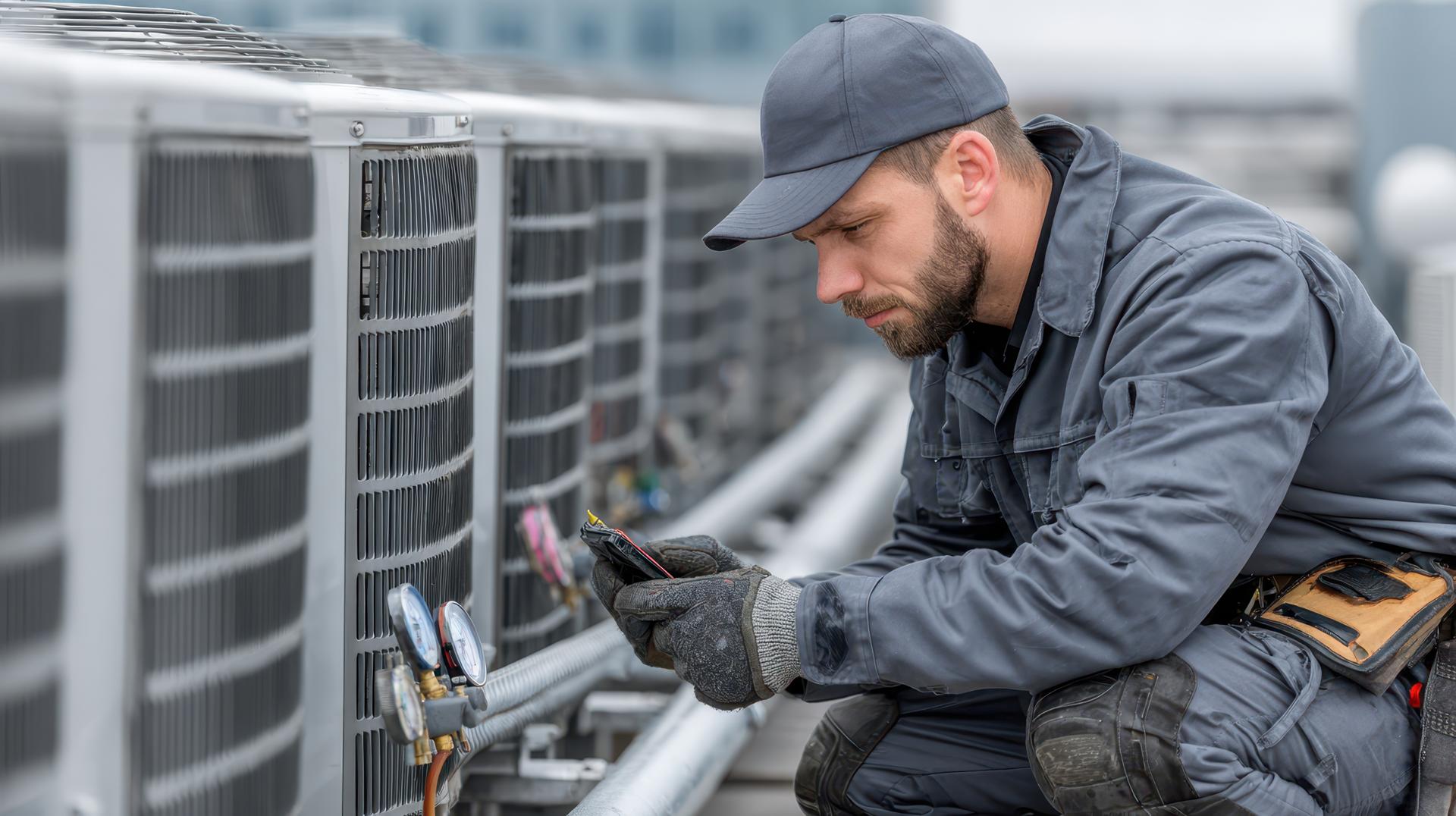
Your rooftop unit (RTU) is the workhorse of your entire system. A comprehensive HVAC package rooftop unit cleaning goes beyond a simple rinse. It involves deep cleaning of both the condenser and evaporator coils to remove caked-on grease and debris, inspecting belts for wear and tear, clearing drain lines to prevent water damage, and testing all electrical components for safety and proper function.
2. Implement a Consistent Air Filter Schedule
In a restaurant, air filters get clogged with dust and grease much faster than in other businesses. A dirty filter restricts airflow, harms air quality, and overworks the system. Setting up a professional air filter changing program ensures this critical task is never forgotten, using high-quality media designed for commercial demands.
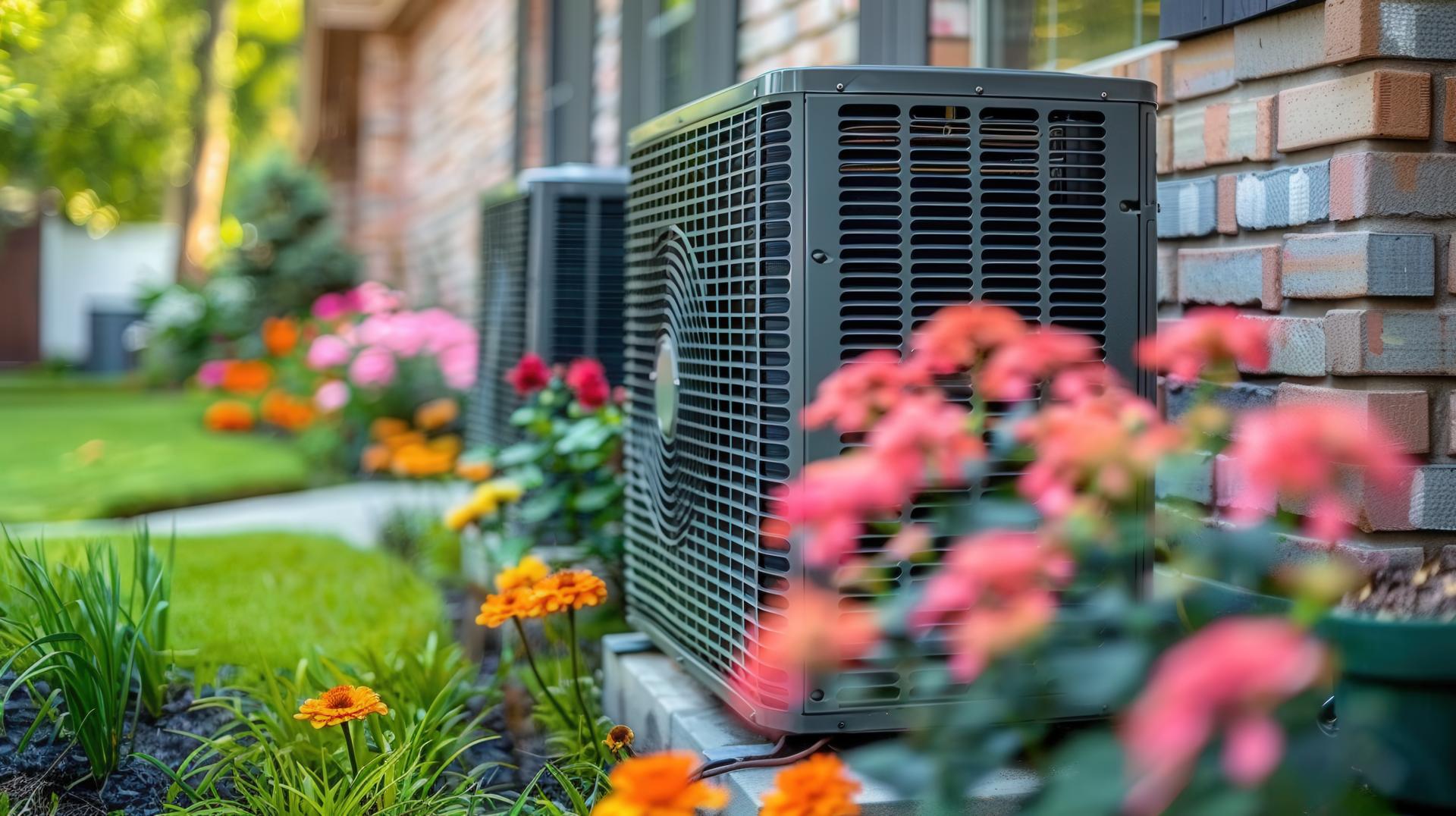
3. Deep Clean the Outdoor Condenser Coils
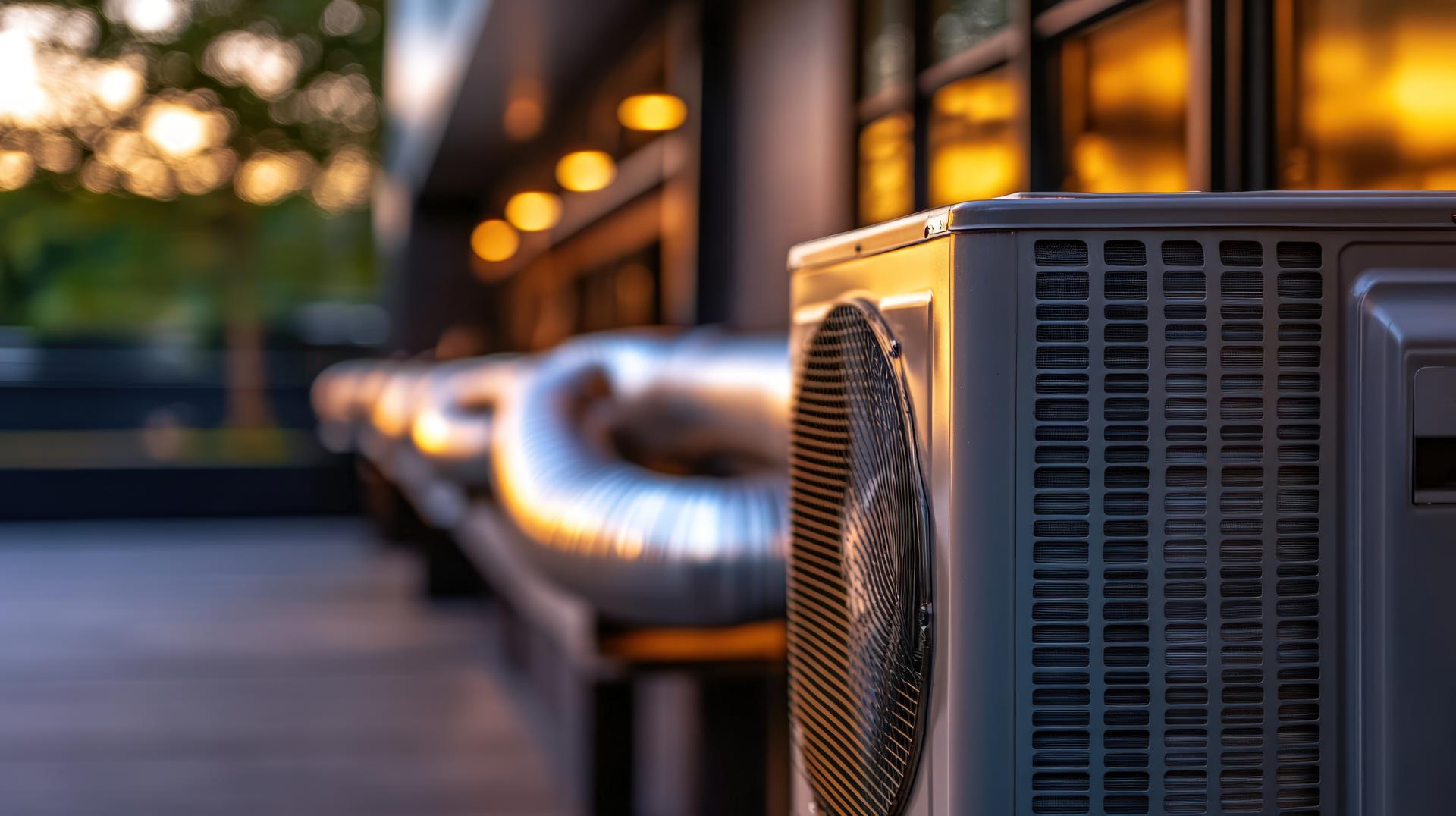
The outdoor condenser unit’s job is to release heat from your building. Over time, it collects dust, pollen, and debris, which insulates the coils and traps heat. This forces the compressor to work harder, driving up energy use. A professional condenser cleaning and system check is essential before the summer heat kicks in.
4. Inspect and Clean the Air Handler Unit
The air handler circulates conditioned air throughout your dining room and kitchen. Dust, mold, and bacteria can build up inside the unit, impacting air quality and efficiency. A proper commercial air handler maintenance service involves cleaning the blower wheel, sanitizing the cabinet, and treating the coils to ensure clean, healthy airflow.
5. Check Thermostat Calibration and Controls
An improperly calibrated thermostat can cause your system to run inefficiently, leading to uncomfortable temperature swings and wasted energy. A technician should verify that thermostats are reading temperatures correctly and that all safety controls and electrical connections are secure.
6. Don’t Forget Your Refrigeration Equipment
Your HVAC system doesn’t operate in a vacuum. Your walk-in coolers, freezers, and ice machines all generate heat that your HVAC must remove. Ensuring these units are also cleaned and running efficiently reduces the overall heat load in your building, making your HVAC system’s job easier. Integrating all your commercial restaurant services into one preventative plan is a smart, holistic approach.
Proactive Maintenance vs. Reactive Repair
| Factor | Proactive Q1 Maintenance | Reactive Mid-Summer Repair |
|---|---|---|
| Cost | Predictable, budgeted expense. | High, unexpected emergency fees. |
| Downtime | Scheduled during off-hours; minimal disruption. | Unplanned closure during peak business hours. |
| Customer Experience | Consistent comfort and air quality. | Uncomfortable guests, negative reviews. |
| Stress Level | Low. Peace of mind knowing systems are ready. | High. Scrambling to find a technician and manage fallout. |
Protect Your New Braunfels Restaurant This Year
Investing in professional preventative maintenance is one of the most effective ways to protect your business, your bottom line, and your reputation. As a veteran-owned company, American Patriot Restaurant Services understands the importance of reliability and preparedness. We provide comprehensive, honest maintenance for restaurants across Central Texas, ensuring you’re ready for whatever the seasons bring.
Frequently Asked Questions
How often should a restaurant’s HVAC system be serviced?
Due to the high demands of a commercial kitchen, we recommend a full professional service at least twice a year. However, a quarterly plan that includes filter changes and inspections is ideal for maintaining peak performance and efficiency.
What are signs my restaurant’s HVAC system needs maintenance?
Common warning signs include unusual noises (grinding or squealing), weak airflow from vents, hot and cold spots in your dining area, a sudden spike in energy bills, or unpleasant odors. If you notice any of these, it’s time to schedule a professional inspection.
Can regular maintenance really lower my energy bills?
Absolutely. A clean, well-tuned HVAC system operates much more efficiently than a neglected one. By cleaning coils, replacing filters, and ensuring all components are working correctly, your system doesn’t have to work as hard to cool your space, which directly translates to lower energy consumption and reduced utility costs.
Do you service other restaurant equipment besides HVAC?
Yes. We offer a full range of commercial restaurant equipment services, including maintenance and cleaning for walk-in coolers and freezers, ice machines, refrigerated prep tables, and frozen drink machines. We can create a comprehensive maintenance plan to cover all your critical equipment.
Glossary of Terms
HVAC-R: An acronym for Heating, Ventilation, Air Conditioning, and Refrigeration. It refers to the interconnected systems that control the climate and preserve food in a commercial setting.
RTU (Rooftop Unit): A self-contained HVAC unit located on the roof of a commercial building that handles both heating and cooling in one package.
Condenser Coil: The outdoor component of an AC or refrigeration system. It releases the heat that was removed from the inside of the building into the outside air.
Evaporator Coil: The indoor component of the system that absorbs heat and humidity from the air inside the restaurant, which is then carried outside.
Air Handler: The indoor part of an HVAC system that houses the blower, heating/cooling elements, and evaporator coil. It is responsible for circulating the conditioned air through the ductwork.