Thinking About a New Heater? Discover the Year-Round Efficiency of a Modern Heat Pump
As winter temperatures settle across New Braunfels, many homeowners find themselves questioning the reliability and cost of their aging furnaces. If you’re facing inconsistent heating, rising energy bills, or the prospect of an expensive repair, now is the perfect time to explore a smarter, more efficient solution. A modern heat pump installation offers both powerful heating for chilly Texas winters and high-efficiency cooling for the scorching summer months, all in a single system. It’s a versatile technology that provides year-round comfort while helping you save on utility costs.
How Does a Heat Pump Work in Central Texas?
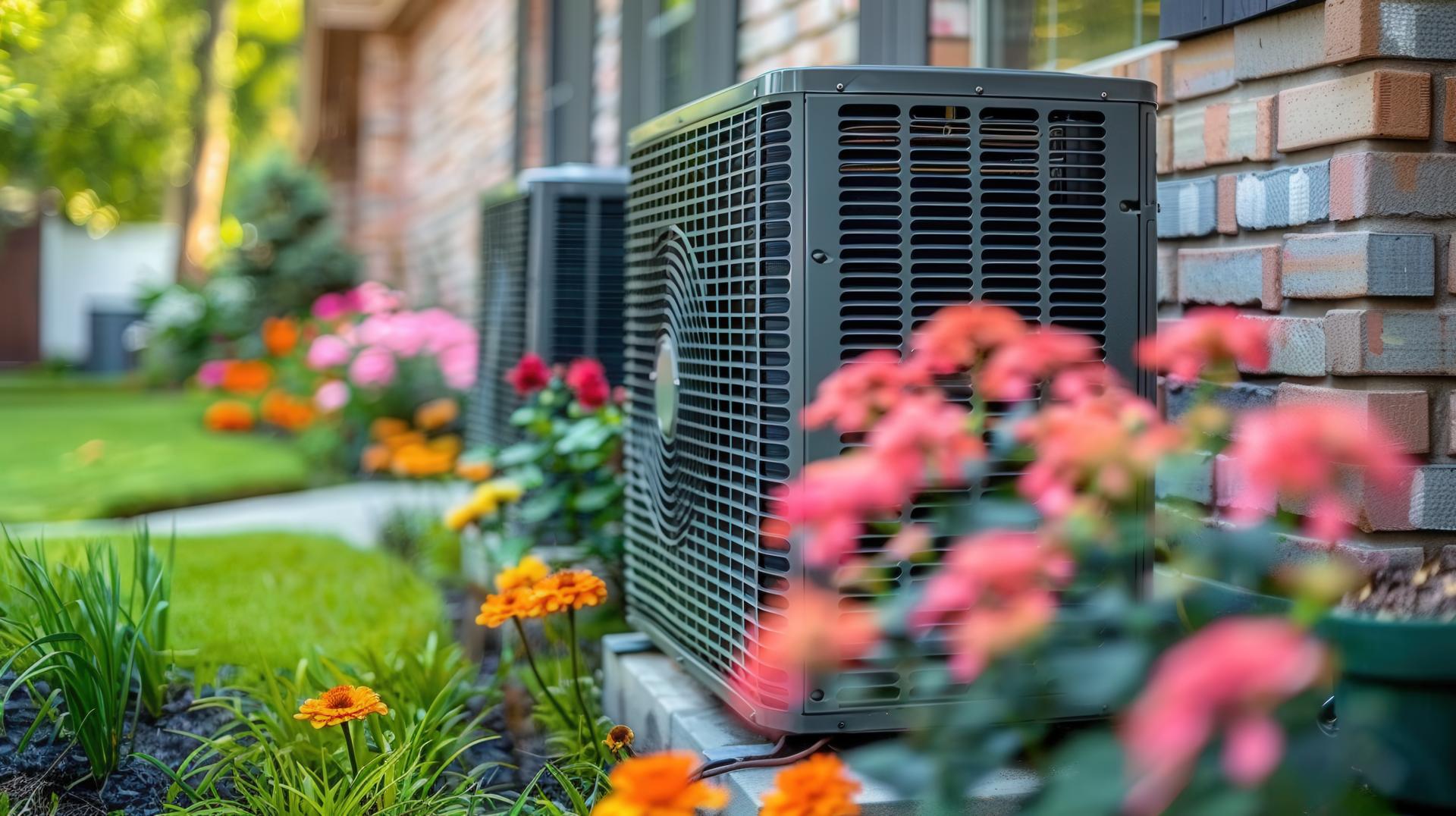
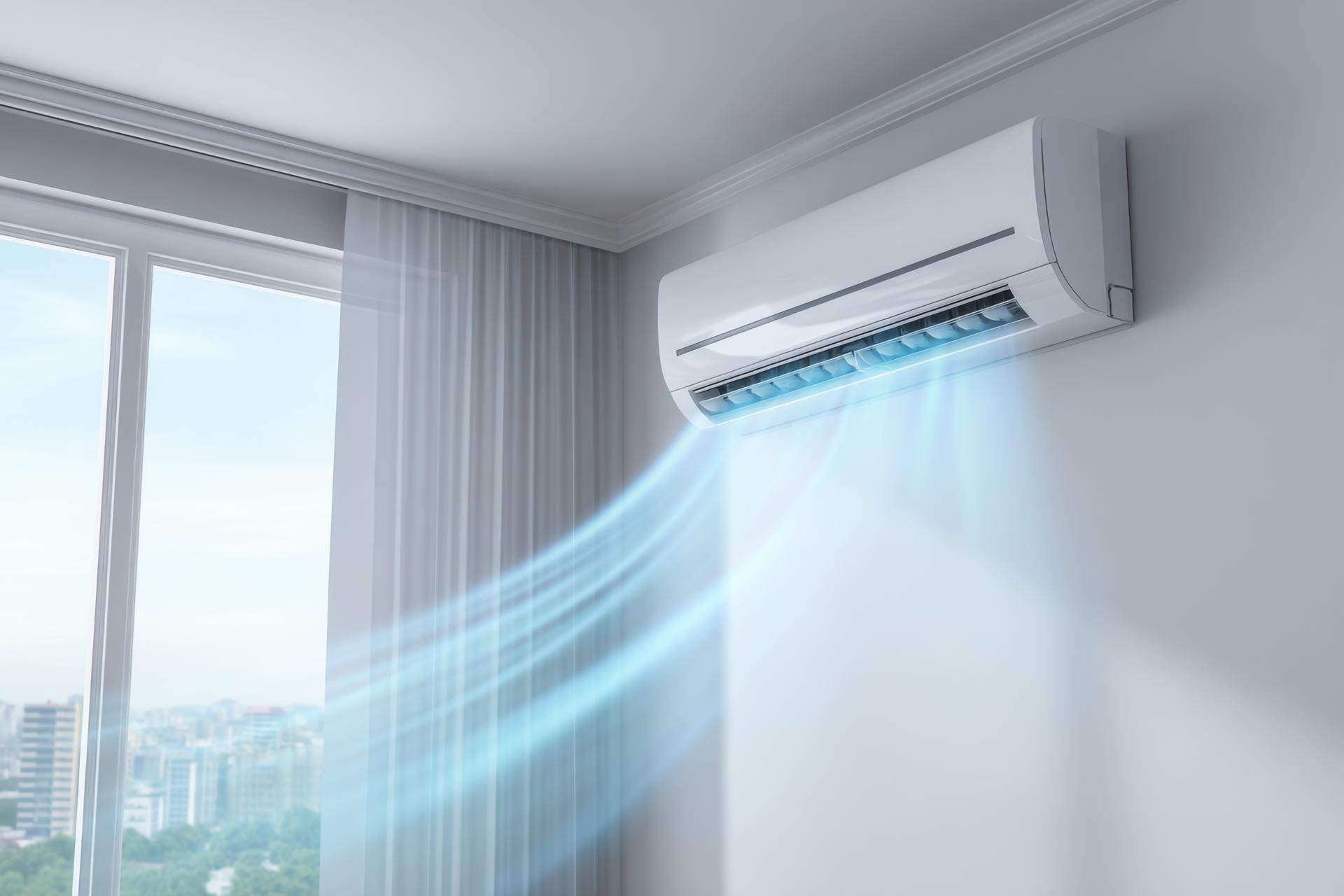
Unlike traditional furnaces that burn fuel to create heat, a heat pump works by transferring it. During the winter, it pulls warmth from the outside air—even when it’s cold—and moves it inside your home. In the summer, it reverses this process, extracting heat from your indoor air and moving it outside, just like a standard air conditioner. This transfer method is remarkably efficient, making it an ideal choice for the relatively mild winters we experience in New Braunfels and across Central Texas.
Because they move heat rather than generate it, heat pumps can deliver the same level of comfort using significantly less energy. This efficiency translates directly into lower electricity bills, offering a long-term return on your investment.
Key Benefits of a Heat Pump Installation
Dual-Function Convenience
One system handles both your heating and cooling needs. This simplifies maintenance and eliminates the need for separate furnace and air conditioning units, saving space and reducing the complexity of your home’s comfort system. For a comprehensive approach to system health, consider pairing your new installation with regular residential preventative maintenance to keep it running at peak performance year-round.
Exceptional Energy Efficiency
Modern heat pumps can be up to 300% efficient, meaning they can transfer three times more energy than they consume. This drastically reduces your carbon footprint and can lead to substantial savings on your monthly utility bills compared to older, less efficient heating systems.
Improved Indoor Air Quality
Heat pumps don’t produce dry, stuffy air often associated with furnaces. They circulate and filter the air, helping to remove dust, pollen, and other allergens. You can further enhance this benefit with professional air handler cleaning to ensure the air moving through your home is as clean as possible.
Did You Know?
Even when the air outside feels cold, it still contains ambient heat energy. Modern heat pumps are sophisticated enough to extract this heat from air as cold as -15°F, making them a reliable heating source for the vast majority of Texas winter days.
Is a Heat Pump the Right Choice for Your Home?
While heat pumps are an excellent solution for many homeowners, there are a few factors to consider before making the switch. Here’s what to think about:
Your Home’s Insulation
A well-insulated home will get the most out of a heat pump. If your home has old windows, poor attic insulation, or significant air leaks, you’ll want to address these issues to maximize the efficiency of your new system.
Ductwork Condition
Heat pumps rely on your home’s ductwork to distribute conditioned air. Leaky or poorly designed ducts can lead to significant energy loss. A professional technician should inspect your ductwork as part of any installation quote.
System Sizing and Installation
Proper sizing is critical. A unit that is too large or too small will struggle to heat and cool your home efficiently, leading to higher bills and premature wear. Professional installation from a trusted local expert ensures your system is perfectly matched to your home’s needs.
Maintaining Your Heat Pump for Longevity
Just like any major appliance, your heat pump requires regular care to operate efficiently and last for its full lifespan. Simple homeowner tasks and professional tune-ups are key.
- Regular Filter Changes: Clogged filters restrict airflow, forcing the system to work harder. Check your filter monthly and plan for routine HVAC filter changes as recommended for your system.
- Keep the Outdoor Unit Clear: The outdoor condenser needs unrestricted airflow. Ensure that grass, leaves, and other debris are kept at least two feet away from the unit.
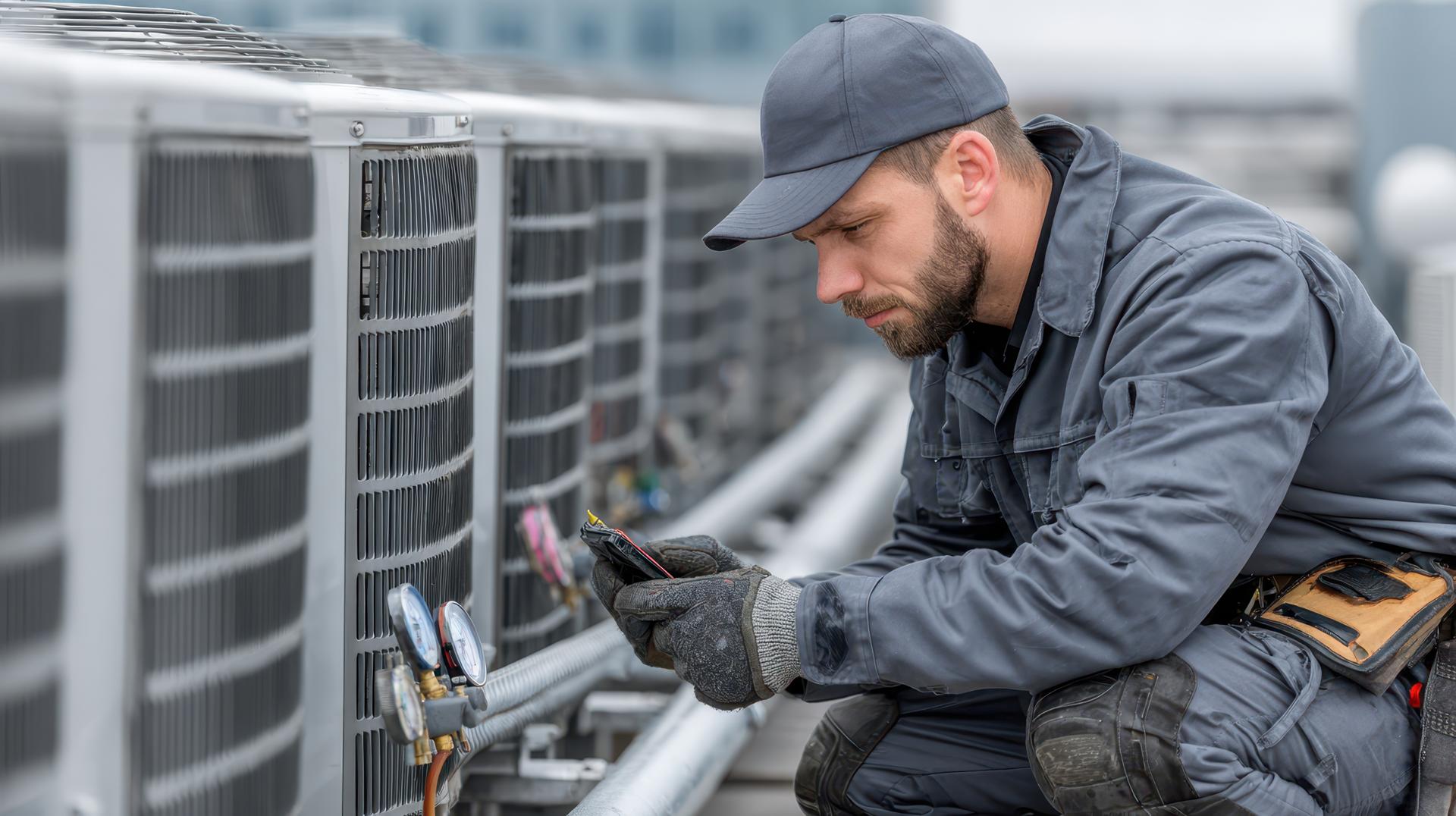
- Schedule Professional Maintenance: An annual professional check-up is crucial. A technician will perform an AC condenser cleaning, inspect electrical components, check refrigerant levels, and ensure the entire system is operating safely and efficiently.
Your Local Heat Pump Experts in New Braunfels
At American Patriot Restaurant Services, we understand the unique climate challenges of Central Texas. As a veteran-owned company deeply rooted in the New Braunfels community, we are committed to providing honest, reliable, and professional HVAC solutions. We help homeowners navigate their options, from traditional systems to modern heat pumps, ensuring you get the right fit for your budget and comfort needs. Our expertise isn’t limited to homes; we also provide top-tier commercial HVAC services for local businesses.
Ready to Upgrade Your Home’s Comfort?
Contact us today to discuss a heat pump installation for your New Braunfels home. Our team is ready to provide a transparent consultation and answer all your questions.
Frequently Asked Questions
How long does a heat pump last?
With proper professional maintenance, a modern heat pump can last 15 years or more. Regular service is the key to maximizing its lifespan and efficiency.
Are heat pumps noisy?
Today’s heat pumps are significantly quieter than older models. While they are not silent, the sound they produce is generally smooth and unobtrusive, similar to a standard air conditioning unit.
Will a heat pump work during a hard freeze in Texas?
Yes. For the vast majority of our winter weather, a heat pump is highly effective. For the rare instances of prolonged, deep freezes, systems are typically installed with a supplemental or auxiliary heat strip (electric resistance heat) that automatically engages to ensure your home stays warm and comfortable.
What is involved in a heat pump installation?
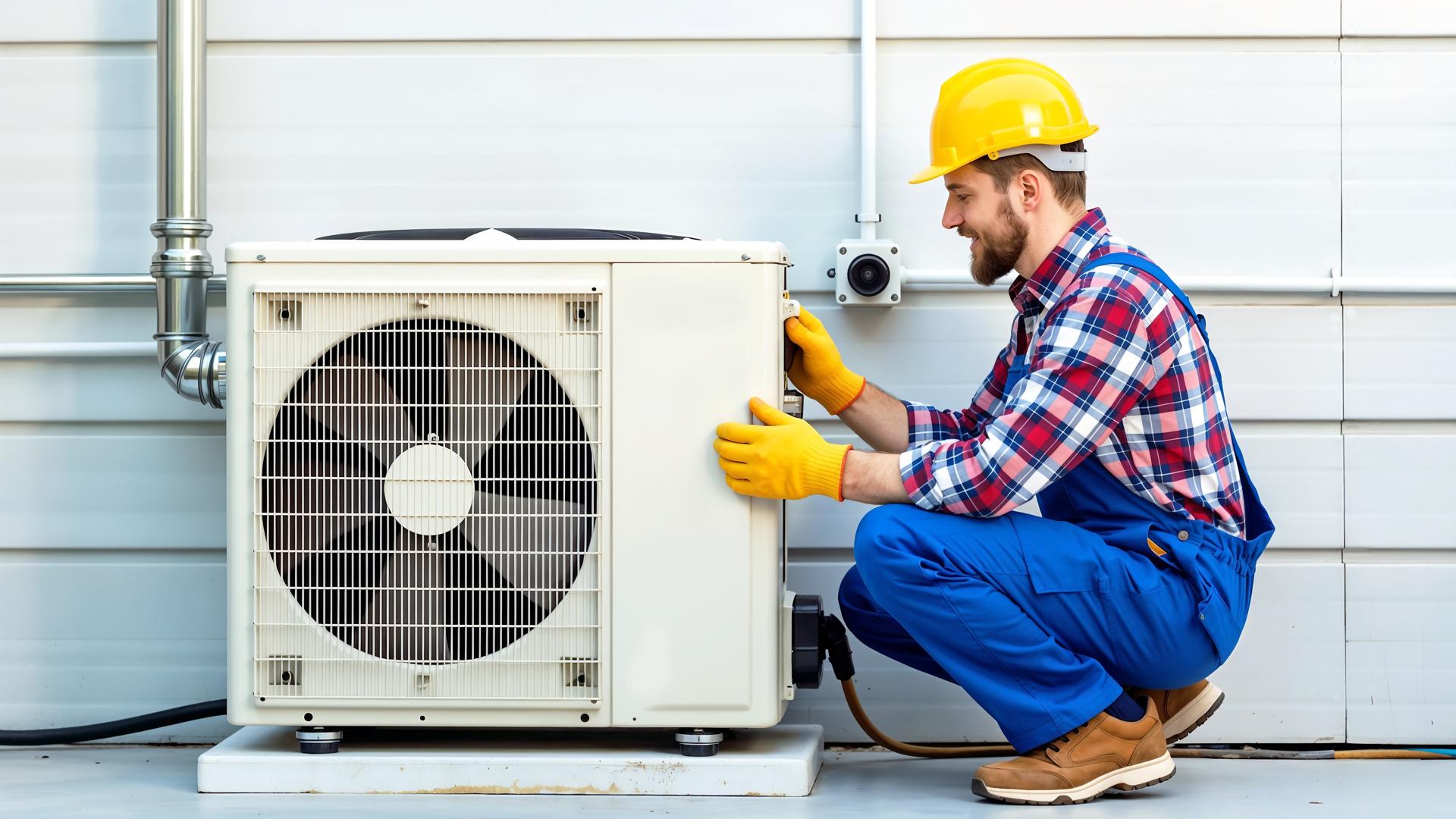
A typical installation involves removing your old equipment (both the indoor air handler and outdoor AC unit) and professionally installing the new indoor and outdoor heat pump components. Our certified technicians handle the entire process, including connecting electrical and refrigerant lines and testing the system to ensure optimal performance.